Squamous Cell Carcinoma: The Silent Skin Invader You Shouldn’t Ignore
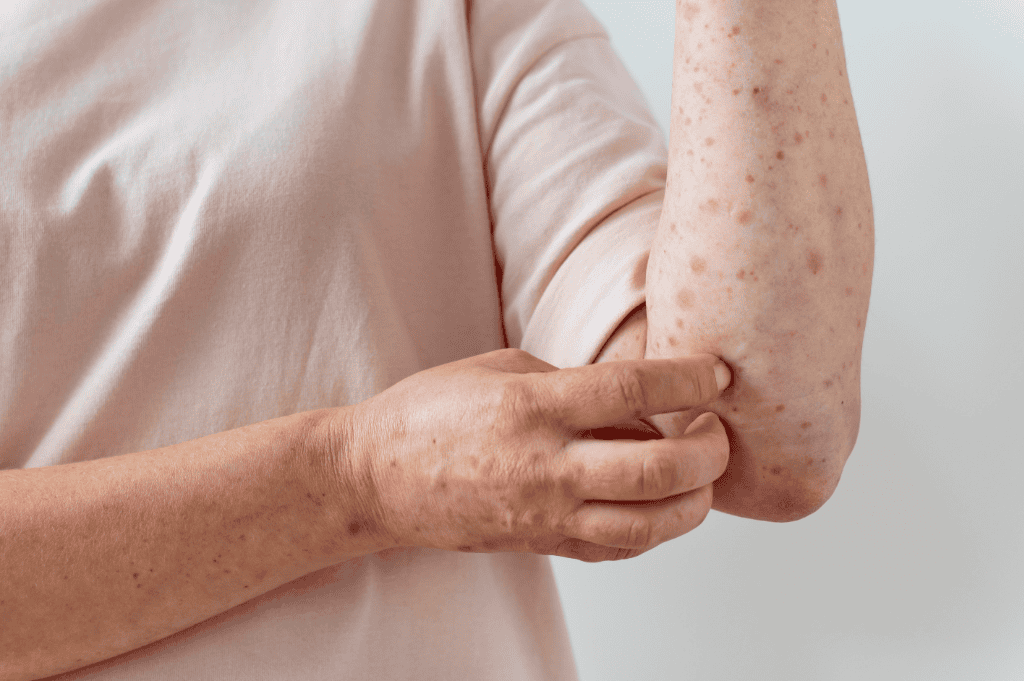
Squamous Cell Carcinoma (SCC) is a common but potentially dangerous form of skin cancer that often presents as red, scaly patches or persistent sores on sun-exposed areas like the face, ears, and hands. While highly treatable when diagnosed early, SCC can spread and become life-threatening if left untreated.
Squamous Cell Carcinoma is the second most common type of skin cancer, affecting the squamous cells that form the outer layer of your skin. Though it typically grows slowly, SCC has the ability to become aggressive, invading surrounding tissues and even spreading to lymph nodes or internal organs in advanced cases.
At DermLounge, our dermatology specialists are trained in early detection and advanced treatment of SCC—so you can take control before it becomes a serious threat.
Common Symptoms of SCC
SCC can show up in many ways, which is why professional skin checks are essential. Look for these warning signs:
Rough, scaly red patches that may crust or bleed
Dome-shaped or wart-like bumps on the skin
Persistent open sores that don’t heal
Raised growths with central depressions
Thickened or irritated skin that may itch or hurt
SCC is most commonly found on sun-exposed areas, such as the face, neck, ears, scalp, hands, and arms—but it can also develop in scars, sores, or other areas of skin trauma.
Certain factors can increase your risk of developing Squamous Cell Carcinoma:
Prolonged sun exposure without protection
Use of tanning beds
Fair or light skin tone
Age over 50
A weakened immune system (due to illness or medications)
Personal or family history of skin cancer
Chronic skin inflammation or past skin injuries (burns, scars, wounds)
Exposure to carcinogenic chemicals like arsenic
Certain viral infections, such as HPV or HIV/AIDS
Why Early Detection Matters
While SCC is usually highly treatable when caught early, untreated cases can become invasive, spreading to nearby lymph nodes or internal tissues. At DermLounge, we offer comprehensive skin checks to catch suspicious lesions before they progress.
Treatment Options at DermLounge
Depending on the size, location, and stage of the SCC, we’ll tailor a treatment plan that fits your needs. Common treatments include:
Mohs Micrographic Surgery: The gold standard for treating SCC, Mohs surgery removes cancer cells layer by layer while preserving healthy tissue.
Surgical Excision: A straightforward removal of the lesion with a margin of healthy skin.
Cryotherapy: Freezing the cancer cells with liquid nitrogen for early-stage or superficial cases.
Topical Therapies or Radiation: For non-surgical candidates or specific locations
Protect Your Skin—Get Checked Today
If you've noticed a suspicious patch, bump, or sore that won’t heal, don’t wait. Early action can prevent serious complications. Schedule your consultation with our trusted dermatology team at DermLounge.
📞 Call us at (714)798-2900 to book your skin cancer screening and learn more about personalized SCC treatment options.